Well Water Testing & Treatment in Black Mountain, NC
Test for bacteria, iron, manganese, low pH and more, then treat what your well actually has.
Water Testing for Black Mountain Homes
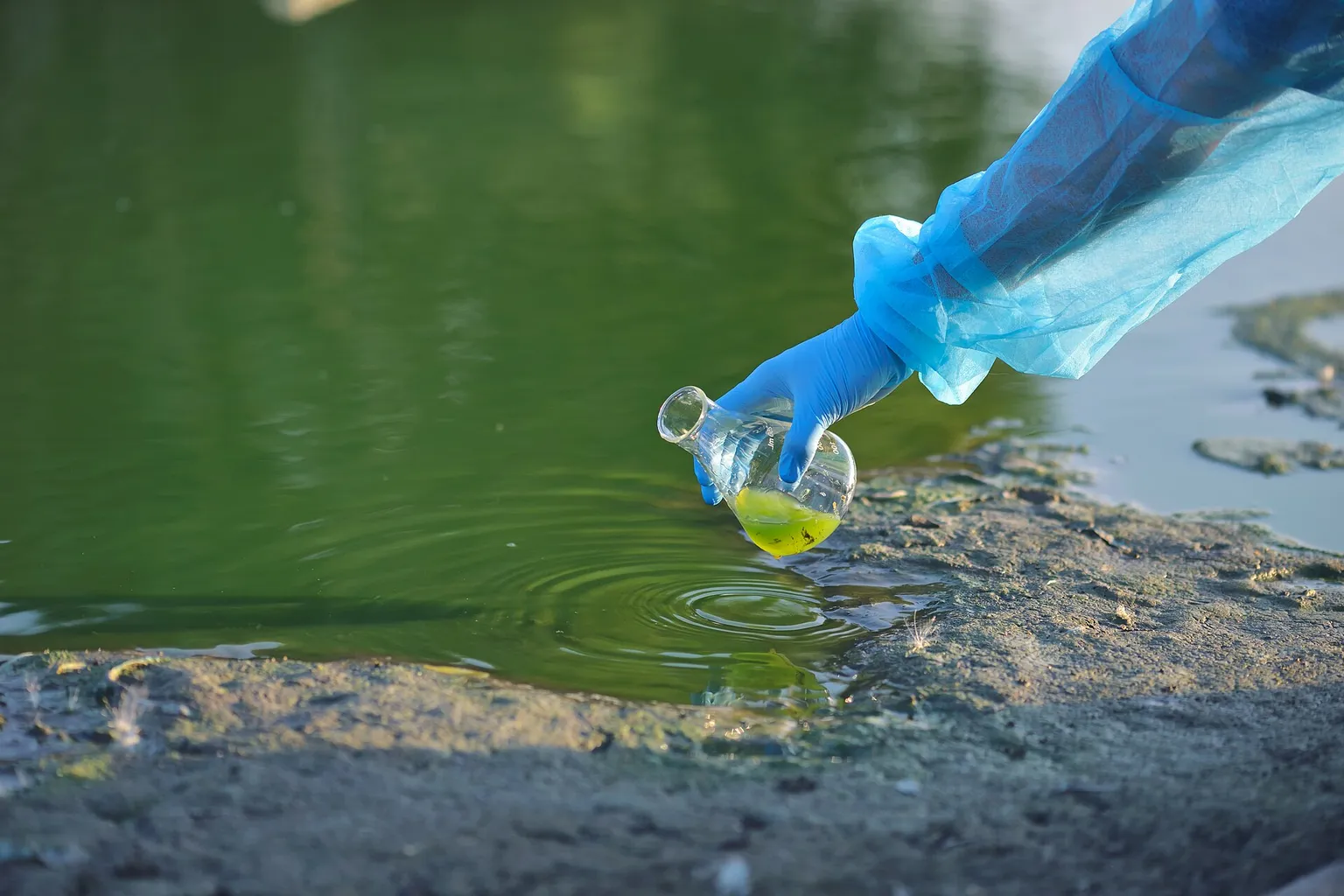
Nobody tests a private well unless the owner does it, and most wells in the mountains have never been tested or were last tested when the house was built. If you have orange or black staining, blue-green marks under a dripping tap, a rotten-egg smell, or you just moved here and do not know what you are drinking, a test tells you exactly what is in the water. We sample for total coliform and E. coli bacteria, pH, iron, manganese, hardness, nitrates and, where it makes sense, radon and other naturally occurring minerals from the rock. Then we recommend treatment sized to the results: acid neutralizers for the low-pH water that is so common here, iron and manganese filters for staining, UV for bacteria, and softeners only where hardness is actually the problem.
Local well service in Black Mountain
Black Mountain has town water along Cherry Street and the valley floor, but its coves and side valleys are on wells. Montreat and Ridgecrest are stacked up steep hollows where houses sit on deep wells with long lines exposed to the cold, and the Broad River community south of town along Highway 9 toward Bat Cave is spread-out country with wells, springs and long gravel drives. The North Fork valley, Lakey Gap and the slopes above Lake Tomahawk round it out. The water here follows the mountain pattern: acidic enough to pit copper, iron and manganese in the lower ground, and yields on the ridges that call for careful pump sizing and storage. Black Mountain draws retirees and conference-center families who buy second homes in the coves and have never owned a well, so inspections and flow tests before closing are steady work for us here. We service pumps, pressure tanks, switches and treatment across Black Mountain, Montreat, Ridgecrest and Broad River, with an up-front price before the repair starts.
- Bacteria (total coliform and E. coli) and nitrate sampling
- pH, iron, manganese and hardness analysis
- Radon and mineral testing where the rock calls for it
- Acid neutralizers, iron and manganese filters, UV and softeners sized to results
- Shock chlorination of a well that tests positive
- Post-install retest to confirm the fix
Need water testing elsewhere? See all of our Black Mountain well services or water testing across Western North Carolina.
Water Testing in Black Mountain
Tell us what’s happening and we’ll call you back. Local Black Mountain service.
Neighborhoods We Cover in Black Mountain
From lots on the edge of town water to ridge-top wells: if it’s in or around Black Mountain, we service it.
- Montreat
- Ridgecrest
- Broad River
- North Fork
- Lakey Gap
- Cherry Street
Common Well Problems in Black Mountain
The issues we see most on local wells, and how we fix them.
Cove houses in Montreat and Ridgecrest
Steep lots, deep wells and lines that run through shaded, cold ground. Winter freeze-ups and low-yield wells are the two calls we get most from the coves, and both have fixes that last.
Spread-out wells along Broad River and Highway 9
The Broad River community is all private wells and springs, with long runs from well to house. Pressure loss, old jet pumps and bacteria in shallow systems after rain are what we see there.
Second-home buyers new to wells
Many Black Mountain buyers are coming from city water. A flow test and equipment inspection during the contract period tells you what the well will do and what the pump and tank have left in them.
Water Testing in Black Mountain: FAQs
Do you service Montreat and Ridgecrest?
Is Broad River in your area?
Our pressure drops after a long shower. Is the pump failing?
How often should I test my well water?
My water leaves orange or black stains. Is that dangerous?
Why are my copper pipes getting pinhole leaks?
My well flooded. Is the water safe?
Also Serving Near Black Mountain
Need Water Testing in Black Mountain?
Call now for a straight answer and an up-front price. No-water calls get priority.