Well Water Testing & Treatment in Mars Hill, NC
Test for bacteria, iron, manganese, low pH and more, then treat what your well actually has.
Water Testing for Mars Hill Homes
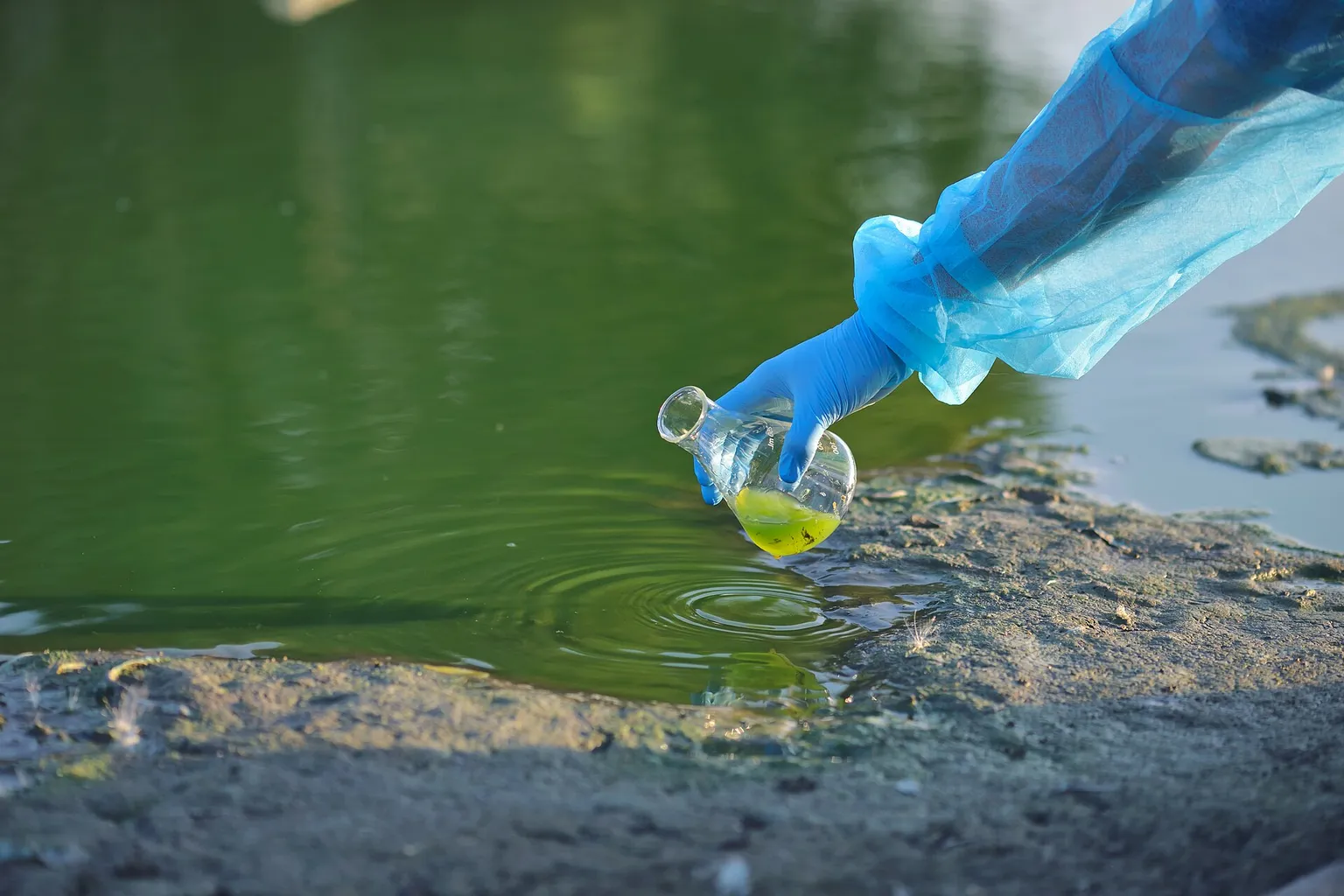
Nobody tests a private well unless the owner does it, and most wells in the mountains have never been tested or were last tested when the house was built. If you have orange or black staining, blue-green marks under a dripping tap, a rotten-egg smell, or you just moved here and do not know what you are drinking, a test tells you exactly what is in the water. We sample for total coliform and E. coli bacteria, pH, iron, manganese, hardness, nitrates and, where it makes sense, radon and other naturally occurring minerals from the rock. Then we recommend treatment sized to the results: acid neutralizers for the low-pH water that is so common here, iron and manganese filters for staining, UV for bacteria, and softeners only where hardness is actually the problem.
Local well service in Mars Hill
Mars Hill sits on the US 19/23 corridor between Weaverville and the Tennessee line, a college town with town water in the center and wells everywhere around it: Beech Glen, Petersburg, California Creek, Forks of Ivy, and up the mountain to the Wolf Laurel resort community near the Yancey line. Wolf Laurel is some of the highest-elevation housing we serve, and the wells there are deep, slow and exposed to hard freezes, with second-home owners who arrive on a Friday to find the pump has not run in a month and the water is off. Down in the valleys the farms along California Creek and the Ivy run older systems, jet pumps and springs, and the water often carries iron and manganese that stains everything orange and black. Mars Hill University brings faculty and staff who buy homes on wells for the first time, and the inspection and flow test before closing is one of our regular jobs here. We service the pump, the tank, the switch and the treatment across Mars Hill and the Madison County roads around it, and we are set up for the steep gravel drives that come with the territory.
- Bacteria (total coliform and E. coli) and nitrate sampling
- pH, iron, manganese and hardness analysis
- Radon and mineral testing where the rock calls for it
- Acid neutralizers, iron and manganese filters, UV and softeners sized to results
- Shock chlorination of a well that tests positive
- Post-install retest to confirm the fix
Need water testing elsewhere? See all of our Mars Hill well services or water testing across Western North Carolina.
Water Testing in Mars Hill
Tell us what’s happening and we’ll call you back. Local Mars Hill service.
Neighborhoods We Cover in Mars Hill
From lots on the edge of town water to ridge-top wells: if it’s in or around Mars Hill, we service it.
- Beech Glen
- Petersburg
- California Creek
- Forks of Ivy
- Wolf Laurel
- Upper Laurel
Common Well Problems in Mars Hill
The issues we see most on local wells, and how we fix them.
High-elevation second homes at Wolf Laurel
Deep, low-yield wells, long freezes and a house that sits empty for weeks: that combination fails pumps and tanks quietly. We set these systems up with freeze protection and the right storage, and we handle the weekend no-water call.
Iron and manganese in the valley wells
Orange and black staining on fixtures and laundry along California Creek and the Ivy comes from iron and manganese in the rock. A test tells us the levels, and an oxidizing filter sized to them clears it.
Old jet pumps and springs on working farms
Farms around Petersburg and Beech Glen still run shallow systems that lose prime and struggle to keep up with livestock. We repair or replace them and tell you when a deeper well or added storage is the better answer.
Water Testing in Mars Hill: FAQs
Do you go up to Wolf Laurel?
Our water smells like rotten eggs. What is it?
Can you inspect a well before we buy near the university?
How often should I test my well water?
My water leaves orange or black stains. Is that dangerous?
Why are my copper pipes getting pinhole leaks?
My well flooded. Is the water safe?
Also Serving Near Mars Hill
Need Water Testing in Mars Hill?
Call now for a straight answer and an up-front price. No-water calls get priority.