Well Water Testing & Treatment in Leicester, NC
Test for bacteria, iron, manganese, low pH and more, then treat what your well actually has.
Water Testing for Leicester Homes
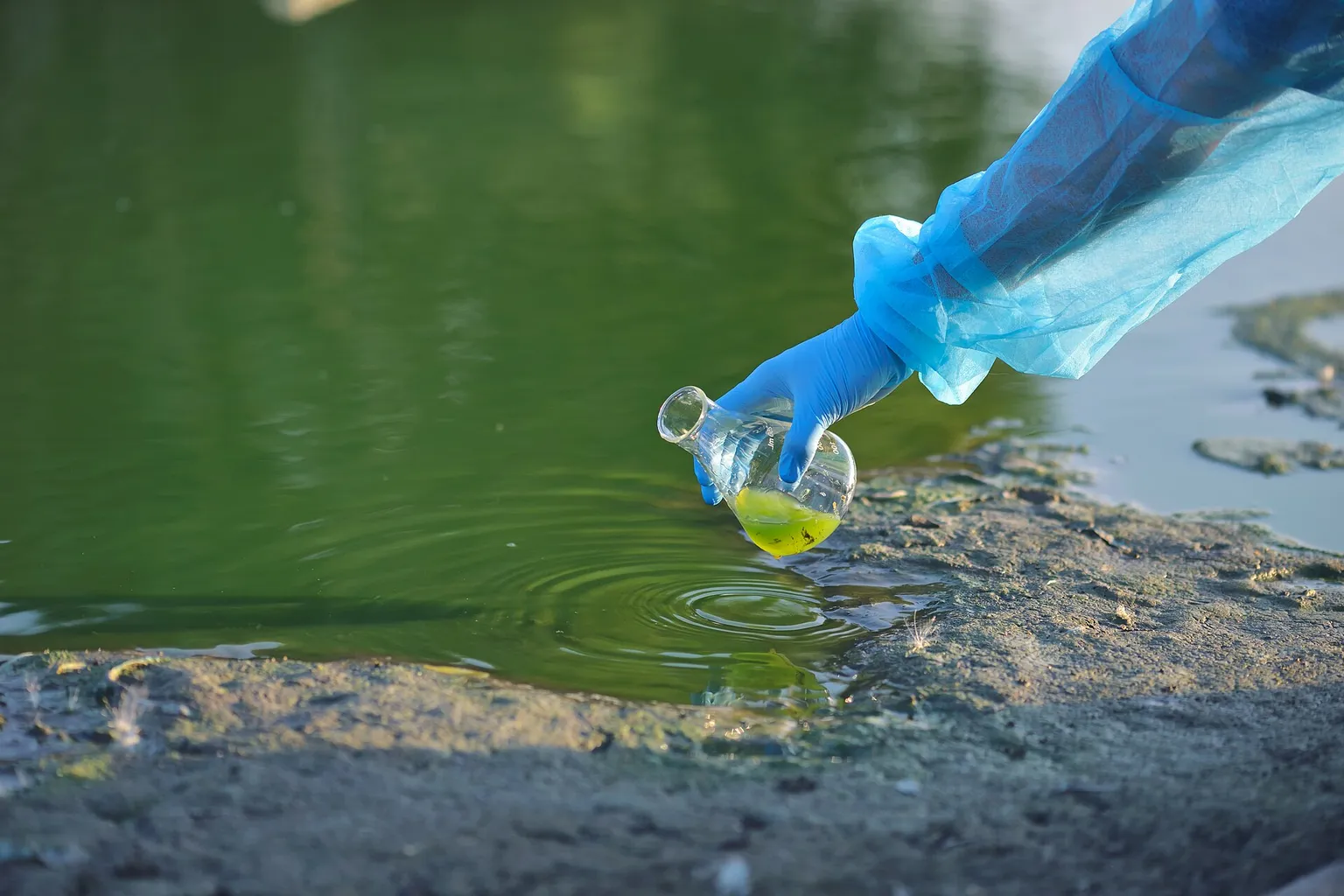
Nobody tests a private well unless the owner does it, and most wells in the mountains have never been tested or were last tested when the house was built. If you have orange or black staining, blue-green marks under a dripping tap, a rotten-egg smell, or you just moved here and do not know what you are drinking, a test tells you exactly what is in the water. We sample for total coliform and E. coli bacteria, pH, iron, manganese, hardness, nitrates and, where it makes sense, radon and other naturally occurring minerals from the rock. Then we recommend treatment sized to the results: acid neutralizers for the low-pH water that is so common here, iron and manganese filters for staining, UV for bacteria, and softeners only where hardness is actually the problem.
Local well service in Leicester
Leicester is the farm country northwest of Asheville along New Leicester Highway, running out to Sandy Mush and the Newfound Mountains on the Madison and Haywood lines. It is open, rolling land by mountain standards, with cattle farms, old homesteads and newer houses on big lots, and almost all of it is on wells and springs. The older farms still run on spring boxes and shallow wells with jet pumps that lose prime and struggle to water stock; the newer homes up Turkey Creek, Dix Creek and Bear Creek sit on drilled wells with long runs of line to the house and the pressure loss that comes with them. Iron and manganese staining is a regular complaint across Leicester, and the acidic water pits copper here as it does everywhere in the county. Drives are long and gravel, and a lot of wellheads are a walk from the house, so we stock the truck and plan the trip. From a spring box in Sandy Mush to a short-cycling tank off Newfound Road, we find the fault before we price the repair and leave the wellhead the way we found it.
- Bacteria (total coliform and E. coli) and nitrate sampling
- pH, iron, manganese and hardness analysis
- Radon and mineral testing where the rock calls for it
- Acid neutralizers, iron and manganese filters, UV and softeners sized to results
- Shock chlorination of a well that tests positive
- Post-install retest to confirm the fix
Need water testing elsewhere? See all of our Leicester well services or water testing across Western North Carolina.
Water Testing in Leicester
Tell us what’s happening and we’ll call you back. Local Leicester service.
Neighborhoods We Cover in Leicester
From lots on the edge of town water to ridge-top wells: if it’s in or around Leicester, we service it.
- Sandy Mush
- Newfound
- Turkey Creek
- Dix Creek
- Bear Creek
- Alexander
Common Well Problems in Leicester
The issues we see most on local wells, and how we fix them.
Farm springs and shallow wells that lose prime
Jet pumps on old shallow systems around Sandy Mush and Newfound lose prime, cavitate on a low spring, and fall behind on livestock water. We repair them and tell you when a deeper well or storage tank is the better long-term answer.
Long lines and pressure loss
When the well sits a few hundred feet from the house, or well below it, pressure at the far fixtures suffers. We size the pump and tank for the run and the lift, and add a booster where it is needed.
Iron and manganese staining
Orange and black stains on fixtures, laundry and water troughs come from the minerals in the Leicester rock. A test tells us the levels and an oxidizing filter sized to them clears it up.
Water Testing in Leicester: FAQs
Do you go out to Sandy Mush and the Haywood line?
Can a well pump handle livestock water too?
Can you convert our spring to a drilled well?
How often should I test my well water?
My water leaves orange or black stains. Is that dangerous?
Why are my copper pipes getting pinhole leaks?
My well flooded. Is the water safe?
Also Serving Near Leicester
Need Water Testing in Leicester?
Call now for a straight answer and an up-front price. No-water calls get priority.